Old houses, cold loads, and summer storms
Pre 1950 Minneapolis and St Paul housing where knob and tube is found during a sale rather than sought out, suburban houses carrying loads they were never designed for, and a generator season that follows summer storms rather than winter cold.
Pre 1950 stock, discovered during a sale
The older neighborhoods of Minneapolis and St Paul contain a large amount of housing built before 1950, and a meaningful share of it still has knob and tube somewhere in the structure. It is rarely the homeowner who finds it. It is an inspector during a sale, or an insurer during a renewal, or a contractor opening a wall during a kitchen remodel.
That changes the search completely. The person typing knob and tube removal cost has been told about it in the last forty eight hours, is under time pressure from a closing date or an insurance deadline, and is looking for a number and a plan rather than an education.
An honest knob and tube page with real cost ranges, an explanation of partial against full remediation, and a plain statement about what insurers and inspectors typically want to see. The intent is sharp, the ticket runs to around $9,000, and almost nobody local has written it.
The same discovery pattern applies to undersized services and older panels in the same neighborhoods. The trigger is a transaction, not a fault, and pages written for someone under a deadline convert very differently from pages written for someone browsing.
A home inspection, an insurance renewal, or a remodel opening a wall. Rarely a fault, almost always a transaction.
A closing date or a policy date. This buyer moves faster than any other planned work customer in the trade.
What does it cost and can it be done in time. Not what is knob and tube, which they have already read three times.
Cold is a load problem, not an age problem
The obvious pitch here is that old houses need new panels. The better one is that Minnesota houses carry loads they were never designed for, and that is true of housing from every decade.
| DRIVER | WHAT IT GENERATES | WHEN TO BE RANKING |
|---|---|---|
| Cold climate load | Panel and service upgrades, garage heater circuits, block heater outlets, heat tape | Early autumn |
| Summer storm outages | Standby generators, transfer switches, portable generator inlets | By April, before the storm season |
| Pre 1950 housing | Knob and tube remediation, full and partial rewires, undersized service | Continuous, transaction driven |
| EV charging in unheated garages | Chargers, dedicated circuits, and panel capacity questions | Continuous, rising |
| Remodeling season | Kitchen and basement circuits, recessed lighting, subpanels | Late winter for a spring start |
THE GENERATOR WINDOW HERE FOLLOWS SUMMER STORMS, NOT WINTER COLD. MOST LOCAL SITES GET THAT BACKWARDS.
Capacity rather than age. A 1998 house with a heated garage, a hot tub and an electric car is short of service just as surely as a 1926 house is, and the owner has no idea. That is a large audience nobody is writing for.
Two cities that are not interchangeable
Larger, denser, and with the more competitive search market of the two. Substantial pre 1950 housing in the older neighborhoods alongside newer development. Most of the agency competition in the state is pointed here.
Older on average, with a great deal of pre war housing and a correspondingly higher share of knob and tube and undersized service. Softer for search than Minneapolis and consistently underrated by contractors who treat the Twin Cities as one market.
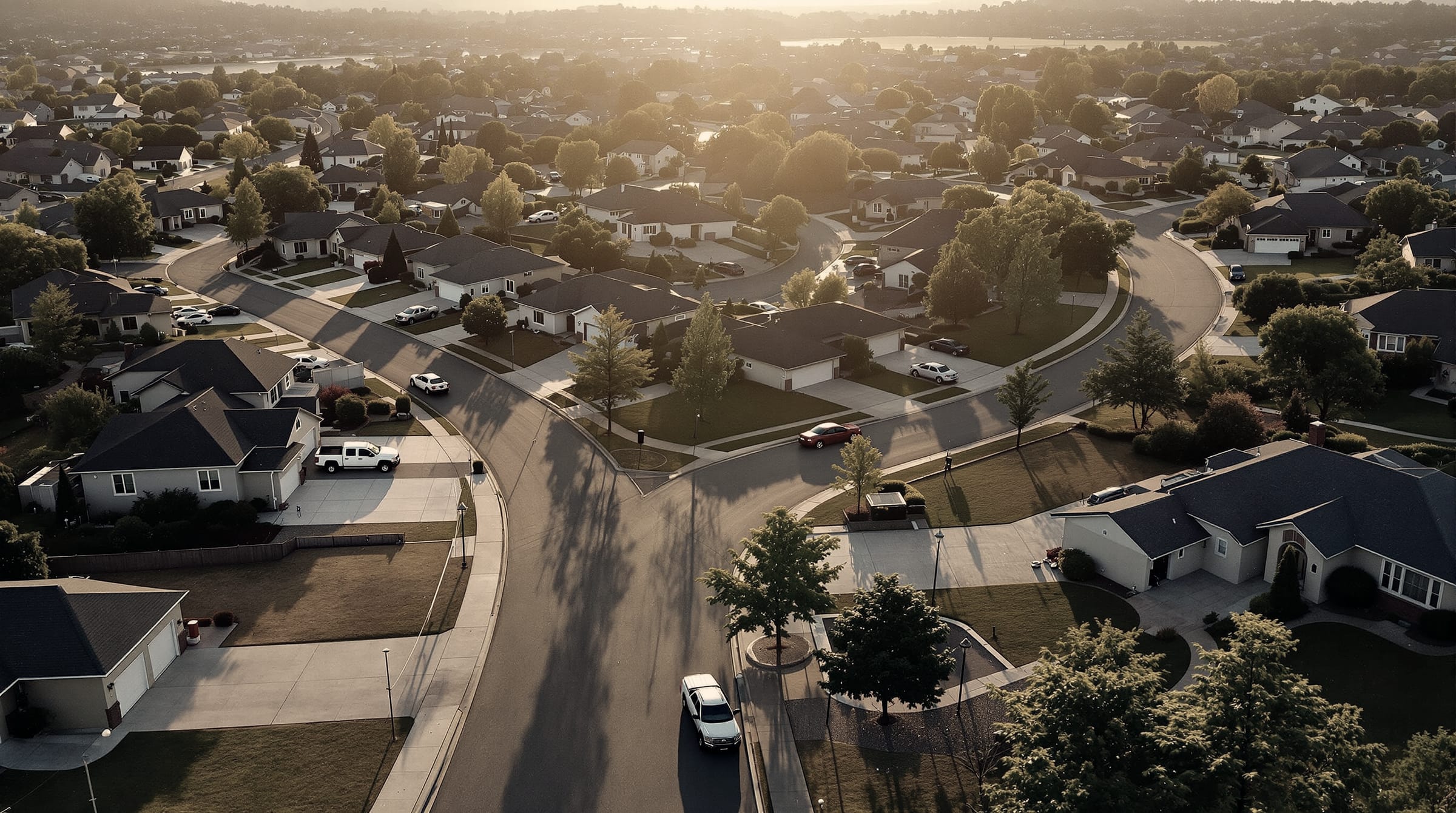
Post war through modern construction across the surrounding counties. Load and capacity work rather than remediation work, and by a distance the softest search competition in the metro.
A LISTING CONFIGURED FOR THE TWIN CITIES AS A SINGLE AREA USUALLY UNDERPERFORMS ONE CONFIGURED FOR THE TOWNS ACTUALLY COVERED.
What we would build here first
Ordered by what pays soonest in Minnesota specifically rather than by what is easiest to sell.
- A knob and tube page with honest cost ranges and a clear statement on partial against full remediation, because the intent is sharp and the page does not exist locally
- A panel capacity page written around load rather than age, aimed at the suburban ring as much as the old neighborhoods
- A standby generator page ranking by April, ahead of the summer storm season rather than the winter
- Service area configuration for the towns you actually cover instead of the phrase Twin Cities
- An EV charger page that addresses charging in an unheated garage, which is a genuine local question nobody answers
- Review generation running continuously, because storm week callouts are decided on rating and count
Minnesota questions
Who licenses electricians in Minnesota? 01
Electrical licensing in Minnesota is administered by the state through the Department of Labor and Industry, with the Board of Electricity acting in an advisory role over the trade. Licenses run from unlicensed registered apprentice through journeyman to master, and businesses contracting for electrical work generally need a contractor license with bond and insurance. Confirm the current requirements with the department rather than with a marketing site.
Why do cold climates generate more panel work? 02
Because heating load, block heaters, heat tape, garage heaters and electric vehicle charging in an unheated garage all land on the same service, and a lot of Minnesota housing was never sized for the combination. Panel and service upgrade demand here is driven less by age alone than by load, which means the pitch is about capacity rather than about the panel being old.
Is knob and tube really still a live issue in the Twin Cities? 03
In the pre 1950 neighborhoods of Minneapolis and St Paul, yes, and it is frequently discovered during a sale or a remodel rather than sought out. That makes the search intent unusually sharp: someone has just been told they have it, they want to know what it costs to deal with, and they want that answer today. Very few local contractor sites answer it.
When does generator demand peak here? 04
After summer storm outages rather than in winter, which surprises people. Winter failures are feared but summer storms are what actually take the power out for days across the metro. Interest rises through late spring and spikes after any multi day outage event, which means a generator page needs to be ranking by April.
Where to go next
Answer the question nobody local has answered
A free written analysis of your visibility across the Twin Cities and the surrounding counties, with the three things worth fixing first.